 (925) 413-3870


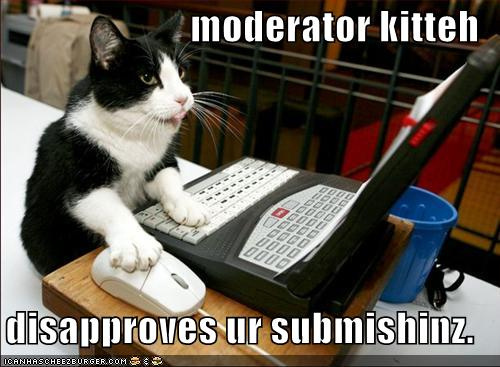
 If you’re launching a blog for your nonprofit or organization, one thing you’ll have to think about is how to deal with comments.
And if you’re like most nonprofits, you’ve probably already had a few discussions on this very topic.
What is a comments policy?
A comments policy (or community guidelines) is a set of rules and expectations your readers can follow when commenting. A good comments policy should accomplish the following goals:
- Encourage the reader to comment, debate and even disagree
- Convey a sense that all voices are heard, valued and equal members of the blog community
- Outline comment ownership and liability
- State rules for how links will be treated
- Define what would be considered disrespectful
- Define what would be considered spam
- Set expectations for comments that will be edited or deleted
How to write a comments policy
- Discuss – The first step in writing a comments policy is to discuss the above goals with relevant stakeholders. Do it in person, face to face, where possible.
- Listen to concerns – Understand that some folks in your organization will fear the transparency of a blog, and will come up with all sorts of scary commenting scenarios. Don’t dismiss these concerns. Instead, acknowledge and discuss their fears openly. Often, just talking with them openly about their concerns will make them feel better.
- Be positive – Focus on creating an overall positive tone in the policy. And avoid legal jargon (remember, you want comments).
- Reflect your culture – Finally, write a policy that reflects the culture of the blog and its community. Leslie White, a nonprofit consultant in Pennsylvania, shared a comments policy she wrote for a client adding “a little legalese but it fit their culture.”
- Keep it short – A comments policy will change and grow along with your blog. Start simple (like the Red Cross example below) and then season to taste.
What are some good examples of comment policies?
Check out these examples:
- Red Cross’ comment policy (in post)
- United Way’s comment policy
- Chris Garrett’s policy
- Grant Griffiths’ comment policy
- Danny Brown’s comment policy
Does your nonprofit have a comments policy?
Cross-posted at JohnHaydon.com.John Haydon delivers social web strategy solutions for “the quick, the smart, and the slightly manic.” Curious? Then visit the John Haydon blog, follow him on Twitter or leave a comment.

 This work is licensed under a Creative Commons Attribution-NonCommercial 3.0 Unported.




Как всегда у Вас – все очень профессионально и вкусно. Я тут, конечно, еще попасусь.
Подскажите пожалуйста намного ли этот сканер лучше vagcom?
Выбираю и не знаю на чем остановиться VAS5054 – дигностический сканер для дилерской диагностики автомобилей VAG группы
publicar gracias a usted mucho, muy buen artículo que lo necesito Gracias por el post. Agradezco la información sobre los comentarios del blog y seguramente va a empezar a buscar a las personas que están usando programas automatizados para hacer publicaciones en el blog de comentarios.
http://www.friv2.org
Thanks for this article. I am a new blogger so this is very helpful. It’s hard to know how long it takes to make a successful blog, so “being patient” is among some of the best advice you can give. It’s easy to get discouraged when you don’t see movement, but this give me some encouragement.
http://www.a10.im
Thanks much.
I would read more articles on this subject if writers were more like you. Your writing style in this article is persuasive as well as informative. I respect your views. http://www.yepipapa.com
We can find more stuff like that.
Blog comments are a reaction to a blog post, so it should be your opinion to what you’ve read. Nice tips, thanks for sharing.
http://www.sscsworld.com/